
You win contracts on expertise. Your website shows a catalogue.
Your capabilities are considerable. But can a prospective customer understand what makes your engineering different, where your expertise lies, and why they should trust you with a project?
When technical knowledge is scattered across product pages, service descriptions and disconnected case studies, the commercial value of that knowledge becomes difficult to recognise.
Engineering
From capability to authority
Your engineering expertise may be considerably more impressive than your website suggests.
Engineering businesses rarely suffer from a shortage of technical knowledge. They have specialist processes, proprietary technologies, years of experience, performance data and people who understand problems most would struggle to approach. But how much of that expertise is actually communicated by their websites?
There is a difference between presenting technical information and making technical capability understood. A prospective client needs to establish what you do, which problems you can solve, what evidence supports your claims, and why your organisation is the right partner.
That requires more than attractive design or a catalogue of services.
It requires a considered relationship between technical evidence, commercial applications, content architecture and the way your organisation is represented online.
A website should map how your expertise, processes, products, and outcomes connect, promoting you as a single recognisable entity.
A. Technical expertise needs translation, not simplification.
Dumbing down engineering is not an option. Its complexity needs to be organised so that different audiences can recognise its relevance to their task. A technical director needs to understand capability. Procurement needs to understand reliability, scope and delivery. A prospective partner needs to understand where the company's expertise fits into a larger project.The website must accommodate all three without losing technical credibility.
B. Technical evidence should become part of the commercial narrative.
Specifications, test results, material properties, case studies and application data shouldn't exist as isolated pieces of information. Formant&Thread build that map for you - the pages and the code - so both buyers and machines can follow it. The organisation's services, technologies, applications, people, evidence and industries should be related in a way that makes sense to both human visitors and machines.
Your site becomes more than a digital brochure. It becomes an organised representation of what the company knows and can do.
Five stages – from structure to evolution
A structured path that turns technical depth into commercial clarity
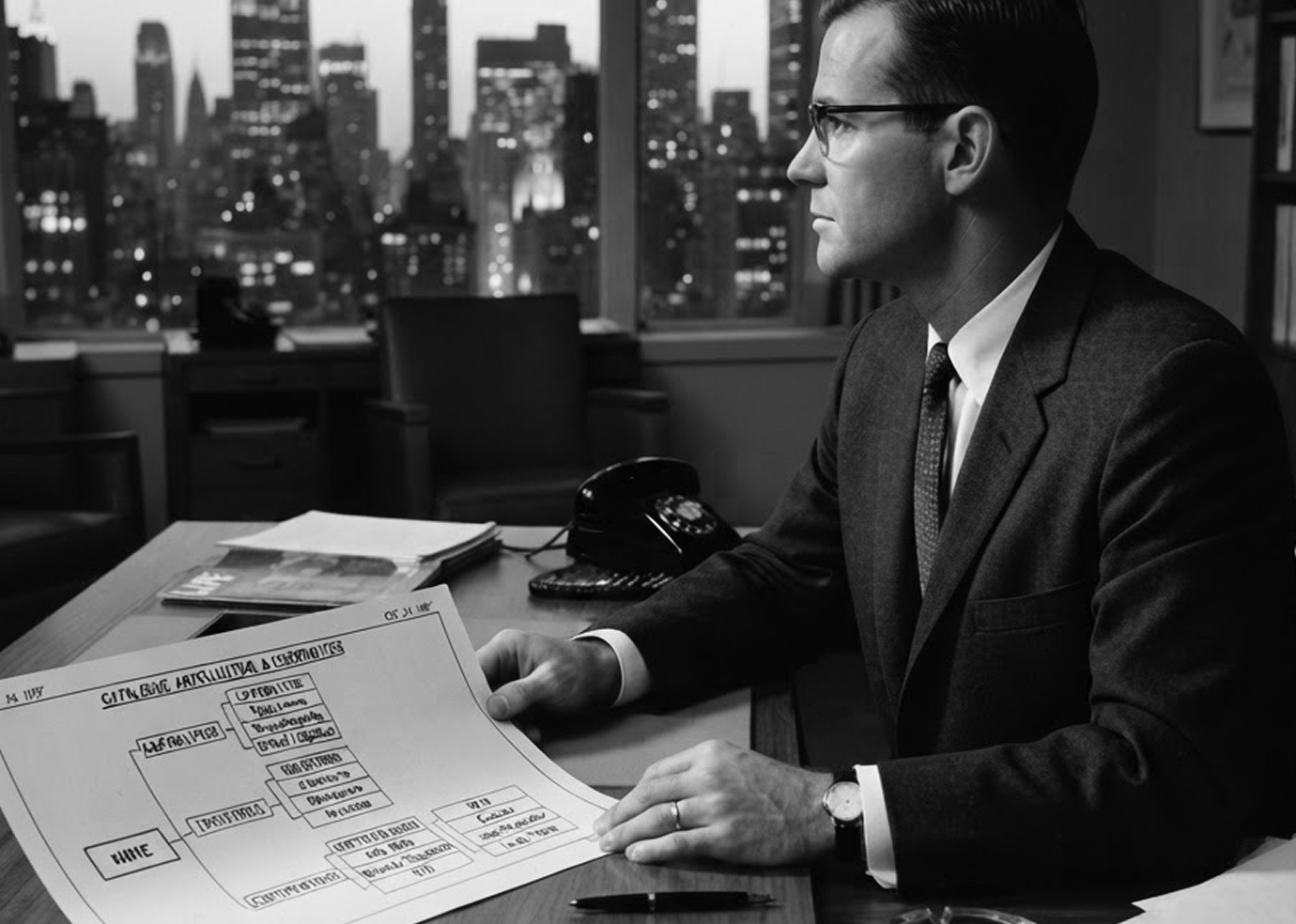
Map what you know before deciding how it looks
We map how your capabilities, processes, products and evidence connect, so the site is built on a clear structure, not a list of pages.

Make complex capability easy to navigate
Clear layouts and routes let engineers, buyers and procurement teams each find the depth they need without losing the thread.

Turn technical interest into qualified enquiries
Each piece of evidence leads somewhere next, such as a spec sheet, an application example or a direct line to an engineer, so starting a conversation is easy.
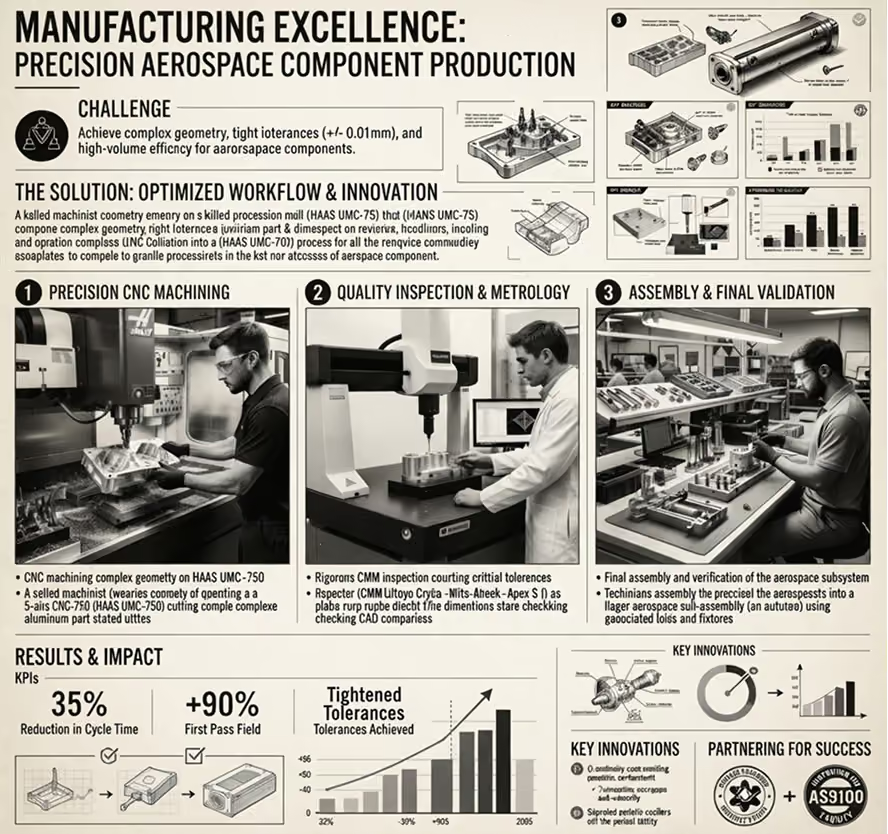
Put your evidence to work
Test data, case studies and application notes are written and linked to support your commercial argument, for people and for AI search alike.

Grow the site as your expertise grows
New products, projects and results fit into the structure we built, so the site gets stronger over time instead of going out of date.