

Pre-Project
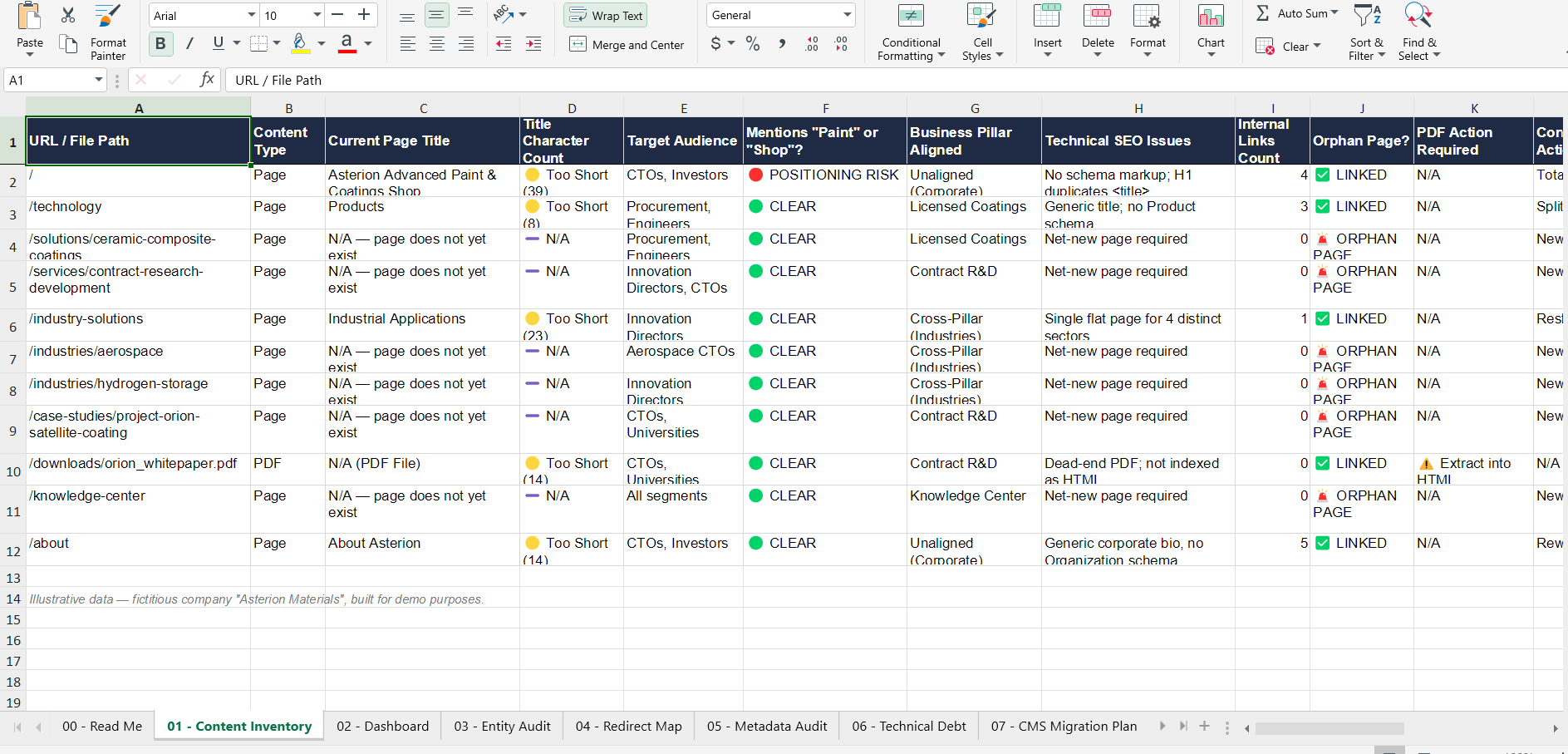
Full Audit
Precision engagement
By evaluating existing assets, audience behavior, technical constraints, and market friction, an audit exposes hidden vulnerabilities and untapped opportunities.
Durable assets
It replaces subjective assumptions with empirical clarity, ensuring that subsequent strategy, architecture, and creative execution are built on a solid, defensible foundation.
The work
A selection of calibrated systems built for complex expertise
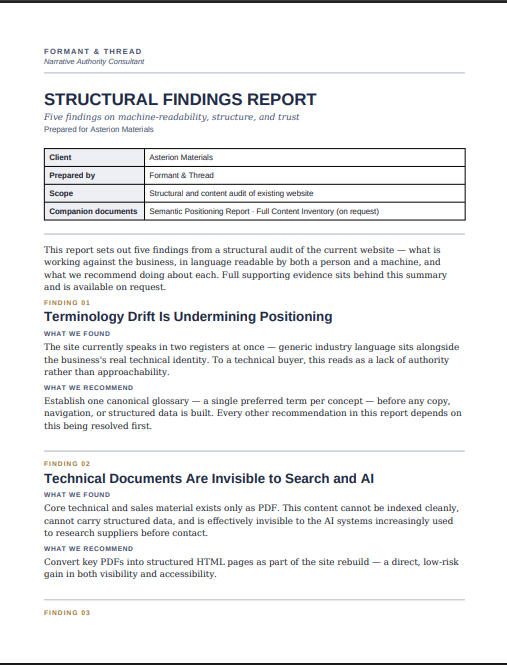
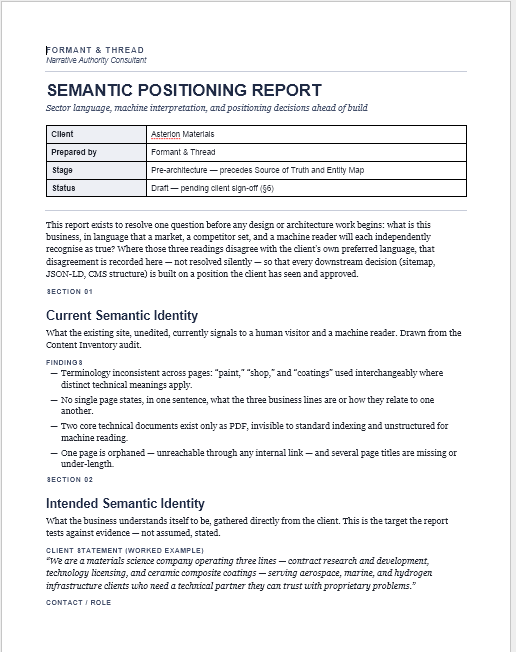
Excavate the real problem beneath the surface noise
We start with a rigorous discovery audit. We strip away assumptions to find the hard kernel of truth your brand must communicate.
FAQs
Direct answers about the work, the timeline, and what makes this practice different from a traditional agency.
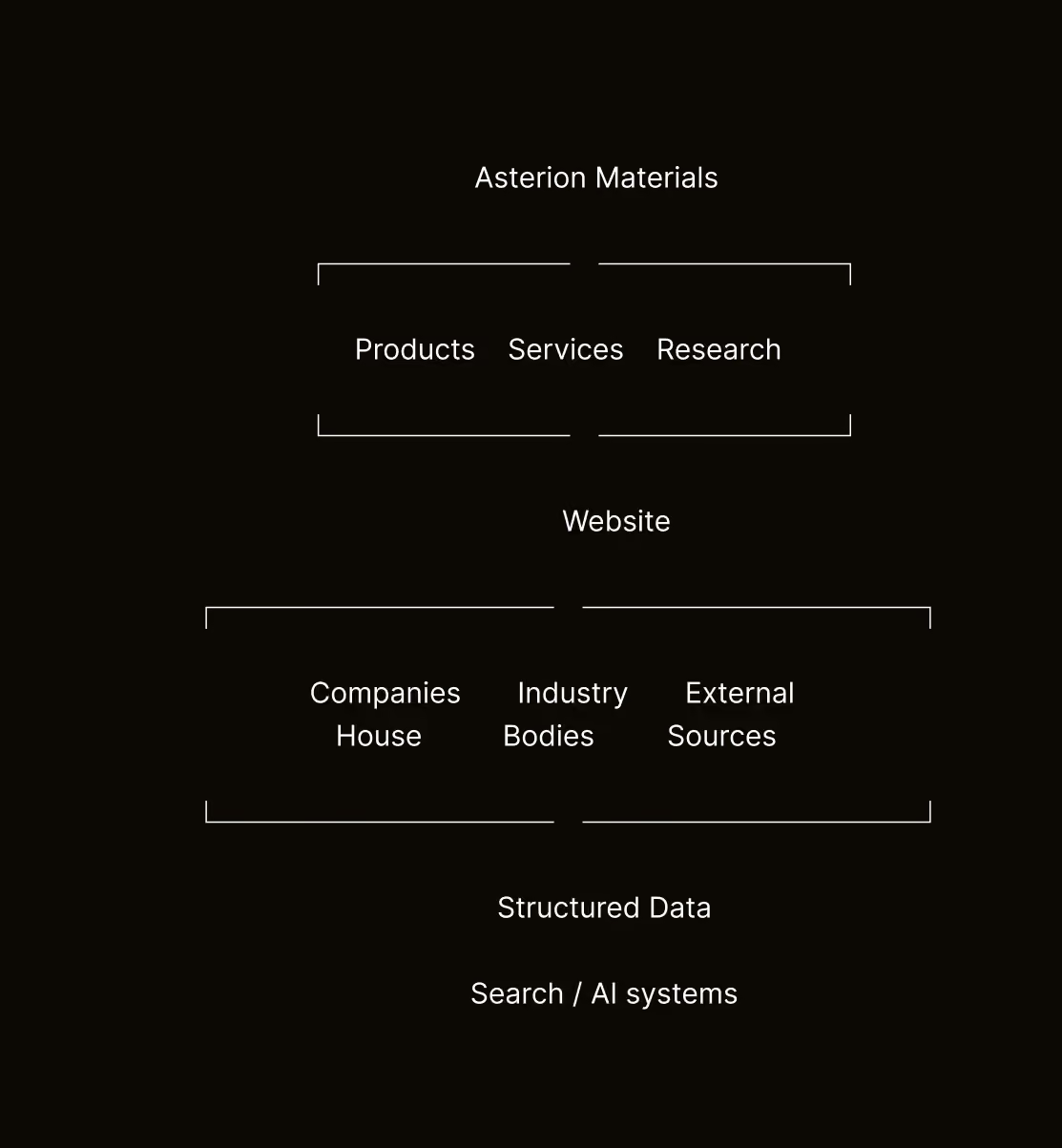
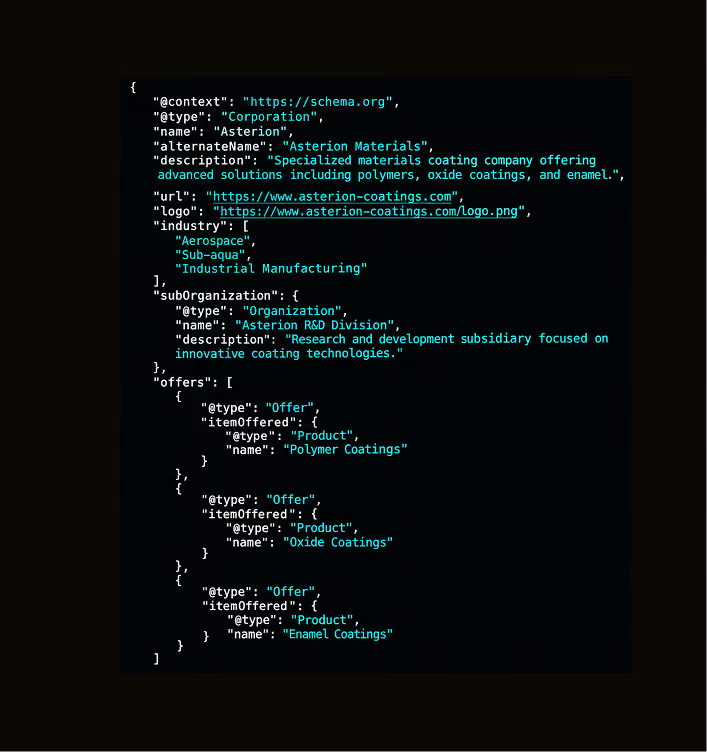
It is the practice of structuring a website so search engines understand your expertise as entities, not just keywords. We build first-party knowledge graphs and inject precise JSON-LD schema so your authority is machine-readable and surfaces in rich results.
A full engagement from discovery to deployment typically spans six to eight weeks. The exact timeline depends on the complexity of your content, your CRM volume and the depth of the semantic architecture required.
Your input is critical during the discovery audit and narrative framing phases. After we align on the strategic foundation - an appraisal of how the company is viewed internally and externally and an audit of how Ai is presently reading your profile - research into your existing site, design & the build proceeds in calibrated sprints with clear checkpoints, requiring minimal daily oversight from your team.
We generally recommend Webflow for new website projects because it offers a controlled design and publishing environment, with fewer dependencies on third-party plugins and themes. This allows us to concentrate on information architecture, semantic structure, performance and the quality of the visitor experience.
However, we don't regard Webflow as the only suitable platform.
WordPress remains a highly capable publishing system, particularly where organisations have established workflows, specialist integrations or existing infrastructure they wish to retain.Our recommendation depends on the project. We assess the organisation's requirements, existing systems, publishing needs and longer-term ambitions before specifying a platform.
The architecture matters more than the platform.
A well-structured, properly engineered website should establish organisational identity and communicate expertise regardless of the CMS on which it is built.
Not on their own.
Source is an interesting shift: it makes code the shared foundation for people and agents, and it’s aimed squarely at marketing teams who need to run and evolve a site, not just launch it.
But moving the source of truth to code doesn’t make that code meaningful.
Agents produce what they’re given and what they’re rewarded for, and a marketing workspace rewards speed, volume and experimentation. Semantic HTML, content modelling and information architecture are judgements about what things are, and those still have to be made by someone who understands them.
If anything, the more people and agents editing a site, the more that structural foundation matters, because it’s what stops the site degrading with every campaign. It’s also what AI discovery relies on. So rather than pivoting away from structural skills, tools like Source are a reason to formalise them: as content models, component rules and guardrails the agents have to work within.
No. Traditional branding optimizes for appearance. This practice bridges high-clarity narrative with rigorous technical execution. You receive a functioning digital infrastructure, not just a positioning document and a mood board.
still have questions about your specific sector?
Propose a project
Tell me about your company, your current web presence, and the primary challenge you need to solve.