
See How We Diagnose Your Business: Step-by-Step
Phase One
The Process of Research Starts with Understanding that Machine-Readabiliy is on an Equal-Footing with a Human Customer; without Semantic Consistency and Visibility, Market Competitiveness is an uphill battle.
Most projects don’t fail in execution.
They fail earlier—when the position isn’t clear.
Phase Two
How we build your no-code backend so you can edit once and publish everywhere seamlessly
The recommendations and schemas from our initial research exist to define the optimal architecture and knowledge consistency across your site and your copy. They ensure readability — for humans and machines alike — maximizing your authority and your visibility.
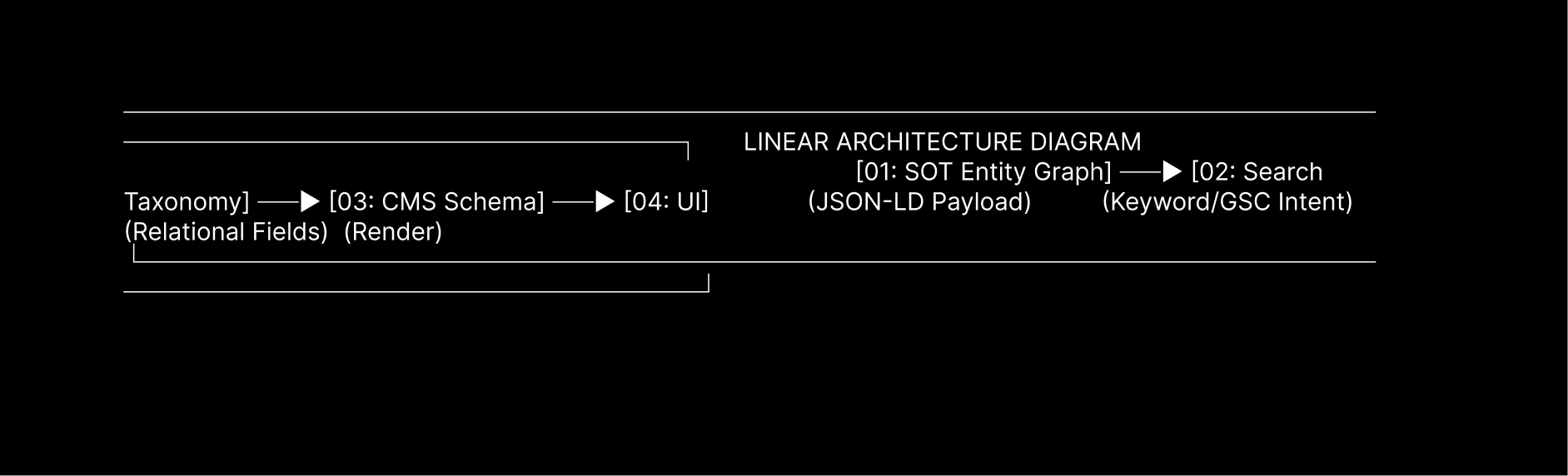
This is your SoT: your Single Source of Truth. It's the foundation that feeds the CMS, feeds the code, structuring your knowledge so your site reads it as coherent and joined-up to wiki, to linkedin, to other article blocks, to wherever your entity is found. One Identity, across the web.
Phase 3
Working on Brand Design within the defined states of semantic and knowledge consistency
We don't guess what your brand should say. Before tackling the build, we cross-reference your structural business realities (Source of Truth) with keyword planner and Moz search data. Long-tail Sector Expertise tags (knowsAbout taxonomy) and Product Entities are revised, used in sub-headings and CMS collections. They also form exact question-and-answer pairs for technical articles and product spec sheets, making your site's copy match natural language search queries without sacrificing technical accuracy.
This ensures your site copy speaks your market's exact language while establishing technical entity authority in search engines.
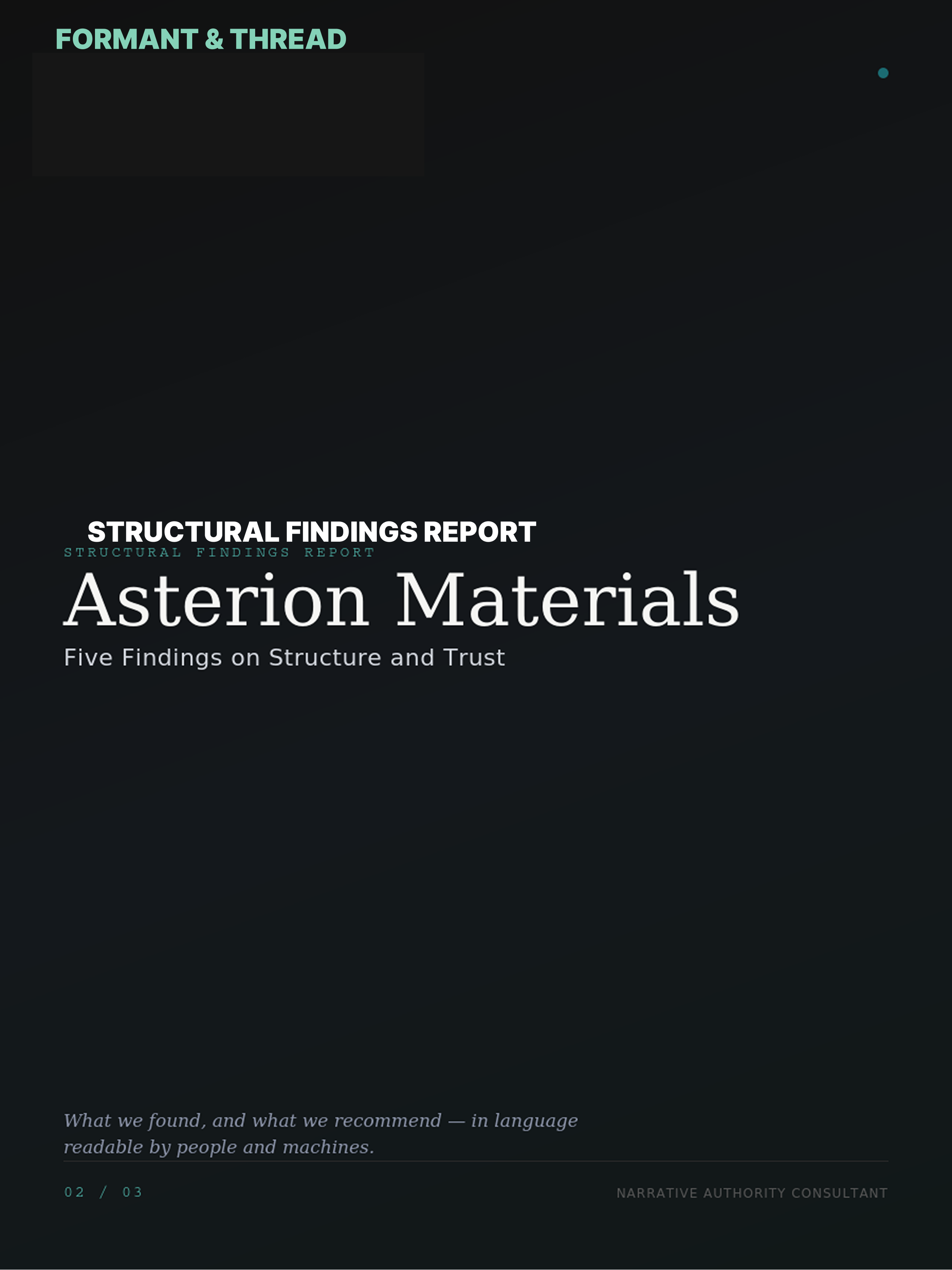
Discovery Workbook
With a vision for building something meaningful, our founder brings a blend of big-picture thinking and hands-on experience. They set the tone for everything we do.
How your business exists as real-world data and entity relationships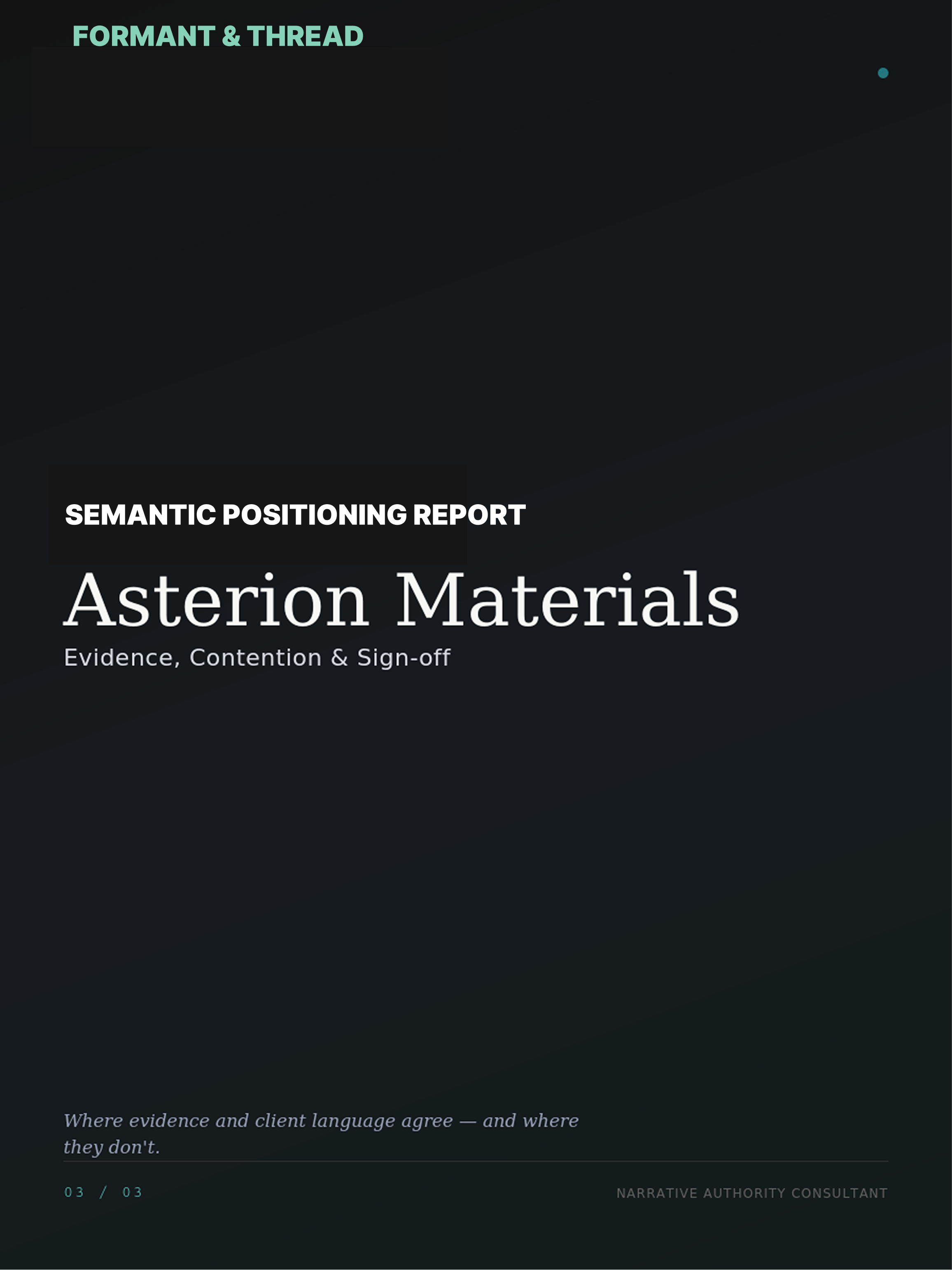
Structural Findings
Focused, approachable, and driven by results, our sales manager is all about building strong relationships. They help connect people to the right solutions—with clarity and care.
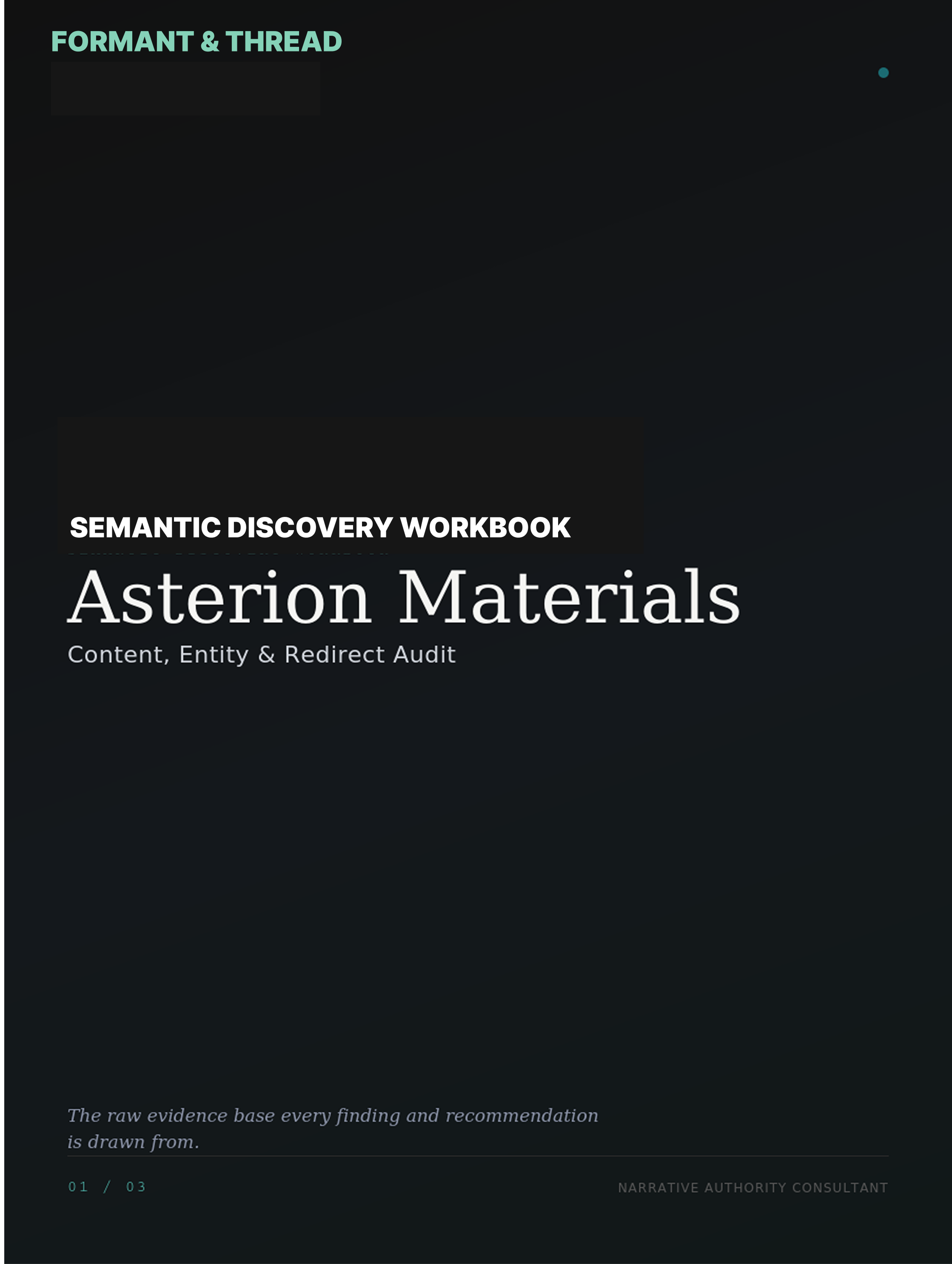
Semantic Positioning
Creative and strategic in equal measure, our marketing director brings fresh ideas to every campaign. They turn insights into action and help our message resonate with the right audience.
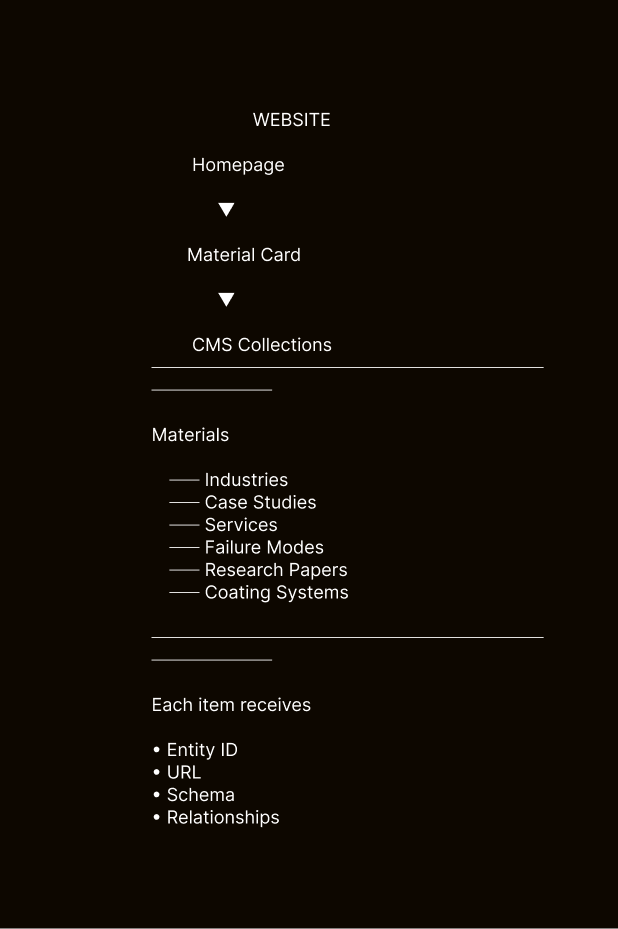
The Structural Bridge: From Business Schema to Scalable CMS
Phase 4
Sovereign Deployment, CMS Engine & Asset Minting
The approved entity model was translated into reusable CMS Collections. Each collection represents a real-world concept and is related to others through reference fields rather than duplicated content.


Platform-agnostic. Outcome-led.
We start with the right structure and message.
From there, we choose the platform that supports it best.
In most cases, we build in Webflow—for speed,
flexibility, and control.
Where it isn’t, we’ll tell you.